

A quick definition: what are people actually talking about?
Most people mean oral sex where ejaculate ends up in the mouth and is then swallowed. Medically, that is not its own category. It is simply one part of sexual contact, with the same core questions as other sexual situations: what is usually physically low risk, where do real risks begin, and what counts as a clear boundary.
That helps avoid two common extremes. The topic is neither automatically dangerous nor automatically healthy. A realistic way to think about it is through STI risk, symptoms, and consent.
Is swallowing semen unhealthy by itself?
For most healthy adults, swallowing semen is not harmful by itself. The body digests it much like other fluids and proteins.
The more relevant issue is not some idea about toxins or special nutrients. If there is a risk, it usually comes from the sexual contact itself rather than from semen moving through the stomach.
What semen is made of
Semen is mostly water. It also contains sperm cells and fluids from several glands, plus smaller amounts of proteins, sugars, enzymes, and salts.
That is also why the idea of semen as a meaningful health booster does not hold up. Some components may be biologically interesting, but the amount involved in ordinary sexual situations is far too small to create a useful effect.
The real risk topic: STIs and oral sex
Oral sex can transmit sexually transmitted infections. Depending on the situation, that may include gonorrhea, chlamydia, syphilis, herpes, and HPV. That is why the question of healthy or risky makes sense. The real issue is usually not semen itself, but infection risk during oral sex.
The CDC clearly describes oral sex as a possible route for STI transmission. CDC: STI risk and oral sex
The NHS also notes that giving and receiving oral sex can involve risk, especially when there are sores, irritation, or visible changes. NHS: Sex activities and risk
If you want a more detailed breakdown of penis- and throat-related STI risk, also see STDs from blowjobs.
Why throat infections get underestimated
Throat infections can be mild or have no obvious symptoms at all. That makes them easy to miss. Current medical literature and public-health guidance repeatedly point out that extragenital infections are often asymptomatic and therefore easy to overlook.
What about HIV?
During oral sex, HIV risk is much lower in many situations than during unprotected vaginal or anal sex, but it is not automatically zero. The risk becomes more relevant when blood is involved or when there are open sores or more significant mucosal injuries.
That matters because many people focus too heavily on HIV alone. In everyday life, other STIs are often the more likely concern during oral sex. The CDC describes oral sex as extremely low to no risk in many situations, with higher risk when blood or open sores are involved. CDC: HIV Risk Reduction Tool
Can swallowing semen cause pregnancy?
No. Swallowing semen does not cause pregnancy. Pregnancy can only happen if sperm reaches the vagina and then continues from there.
This confusion comes up because people sometimes mix together very different sexual risks. For swallowing itself, pregnancy is not part of the issue. If your concern is sperm near the vaginal opening, that is a different question from the one this article is addressing.
What makes oral-sex risk higher?
Many people focus only on whether someone swallows or not. In real life, other factors are usually more important.
- new or changing sexual partners without clear testing or protection agreements
- visible sores, blisters, or unusual changes in the mouth or genitals
- contact with blood
- irritated gums, open spots, or pain in the mouth
- symptoms that get ignored, such as discharge, burning, or throat pain after sexual contact
In practical terms, it makes sense to pause if you have open areas in your mouth or if the other person has visible lesions. And if you are unsure, testing is usually more useful than trying to guess based on appearances.
How to make the situation safer in real life
There is no such thing as perfect safety in sex. But there are a few simple steps that make the risk much easier to manage.
- Condoms are a straightforward protection option in new or unclear situations.
- If there are visible sores, blisters, or blood contact, it makes sense to pause.
- In new situations, testing and talking beforehand is better than improvising in the moment.
- If you do not want to swallow, that is a normal boundary, not a negotiation failure.
One practical detail many people miss: irritated gums and small injuries in the mouth can make the situation less favorable. The NHS specifically advises caution if brushing or flossing has left the gums irritated or bleeding. NHS: Sex activities and risk
For Germany, the BZgA also provides a clear overview of transmission routes and protection. BZgA: STI transmission routes
Taste, gag reflex, irritation, and possible allergy
Taste is individual. Many people describe semen as salty, bitter, or a little metallic. Gagging, disgust, or a strong aversion are not signs of immaturity. They are normal physical reactions.
Sometimes irritation is just mechanical. But if intense burning, itching, swelling, hives, or breathing problems happen quickly and repeatedly after contact, it should be medically checked out. A hypersensitivity reaction to semen is possible, but it is much less common than simple irritation or infection.
If your main concern is the practical side of taste rather than safety, see also what semen tastes like.
When testing or medical evaluation makes sense
A scratchy throat can be harmless and go away on its own. Evaluation becomes more important when symptoms are strong, keep coming back, last longer, or follow a clear risk contact.
- sore throat that lasts for several days or repeatedly shows up after sexual contact
- coating in the throat or new pain with swallowing that does not improve
- fever or a clear feeling of being sick
- new changes in the mouth, lips, or genitals that do not heal
- a partner with a recent diagnosis or unprotected contact in a new situation
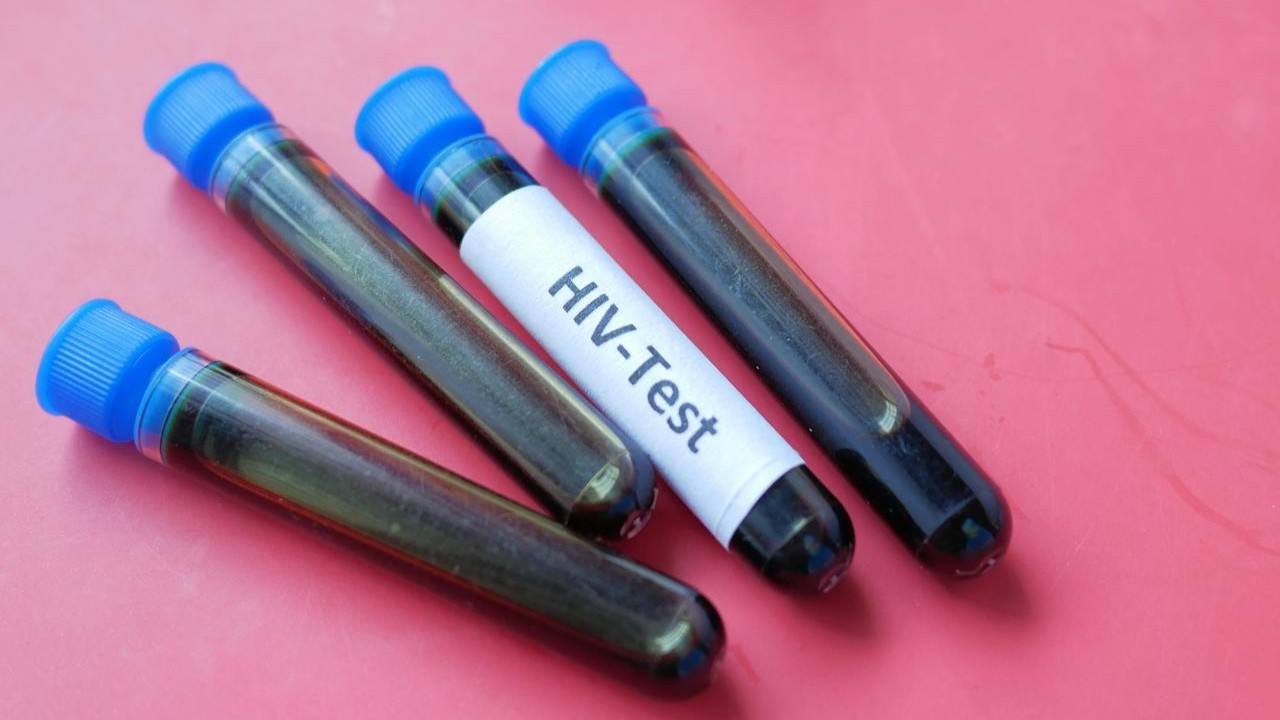
If you want a clearer sense of how rapid HIV testing fits into the bigger picture, also see rapid HIV test. In practice, a sexual health clinic can also help if you are unsure what kind of testing makes sense.
Boundaries, pressure, and communication
Many problems around this topic are not medical, but social. No one has to swallow. No one has to explain why something feels wrong. And no one should be pushed into negotiating that boundary in the middle of the moment.
A simple sentence outside the situation can be enough: oral sex may be okay for you, but swallowing is not automatically part of it. Or only sometimes. Or not at all. That is a normal boundary, not a flaw.
If the topic is really about expectation and pressure more than anything else, it can also help to zoom out and look at the bigger picture of intimacy and sexual variety. See also blowjob.
Myths and facts
- Myth: Swallowing semen is automatically healthy. Fact: There is no solid everyday benefit that turns it into a health practice.
- Myth: Swallowing is the risky part. Fact: The bigger issue is the sexual contact itself and the STI risk that comes with it.
- Myth: Oral sex is always safe. Fact: STIs can also be transmitted this way, including to the mouth and throat.
- Myth: If there are no symptoms, there is no problem. Fact: Throat infections in particular can go unnoticed.
- Myth: If someone looks healthy, everything is safe. Fact: Many STIs are symptom-free for at least some period of time.
- Myth: Mouthwash or alcohol in the mouth makes it safe. Fact: That replaces neither protection nor testing.
- Myth: A scratchy throat automatically means an STI. Fact: Irritation has many possible causes, so timing, severity, and context matter.
- Myth: Swallowing semen can cause pregnancy. Fact: It does not.
- Myth: People who do not swallow are uptight. Fact: Boundaries and preferences are normal, and they are allowed to change.
Keep reading



Conclusion
For many adults, swallowing semen is not the physical issue by itself. What matters is protection, STI risk during oral sex, symptoms in the mouth or throat, and whether everything is genuinely voluntary. If you look at it that way, there is no need for myths or panic.