

Short answer: Can oral sex make you sick?
Yes. Cunnilingus can transmit sexually transmitted infections. If you are asking whether you can get sick from oral sex, the honest answer is that the risk depends on the infection, the contact, and the situation, but it is not automatically zero.
From a medical perspective, the key issues are mucosal contact, close skin contact, visible sores, and the fact that many infections do not cause obvious symptoms right away. That is exactly why oral sex is often underestimated. The CDC explicitly notes that many STIs can spread through oral sex and that infections in the mouth, throat, genitals, or rectum may go unnoticed. CDC: STI risk and oral sex
Why people often misread the risk
A common thought pattern sounds simple: no vaginal or anal penetration, so not much risk. There is often a second shortcut behind that idea too: if HIV is not a major concern during cunnilingus in most situations, then everything else must be safe.
That is where people get misled. STIs are not only about penetration. Some infections matter because of mucosal contact or close skin contact. Others can affect the throat without making themselves obvious. If you only think about HIV, you can easily miss the infections that are often more relevant with cunnilingus.
Who is at risk during cunnilingus?
There are always two medical perspectives during oral sex. Risk is not about labels or roles. It depends on which body areas come into contact.
- The giving partner has the mouth, tongue, and throat in contact with the vulva, vaginal fluids, and possibly blood.
- The receiving partner has genital skin and mucosa in contact with saliva, oral mucosa, and possibly active mouth lesions.
- Both people can be affected even if nobody notices symptoms.
If you want a broader plan after a sexual contact that now feels unclear, Do I have an STI? is the most useful next read.
Which STIs matter most during oral sex?
Herpes
Herpes is one of the most obvious concerns with oral sex. Cold sores can affect the genital area, and genital herpes lesions can matter in the other direction when they come into contact with the mouth. Herpes is especially contagious when blisters or open sores are visible, but transmission can still happen without obvious lesions.
HPV
HPV spreads mainly through close skin and mucosal contact. Many infections clear on their own, but some persist. Certain HPV types are linked to cancers, including cervical cancer and cancers of the mouth and throat. The CDC describes HPV as the main cause of cervical cancer and many cancers of the oropharynx. CDC: About HPV
Gonorrhea
Gonorrhea can affect the throat. That matters because throat infections often stay under the radar. People may keep having sex and underestimate the risk simply because nothing feels clearly wrong. If oral sex is part of the sexual history, the right testing site matters and a standard genital test alone may not be enough.
Chlamydia
Chlamydia is usually less central in cunnilingus conversations than herpes, HPV, or gonorrhea, but it is not impossible. A throat that feels normal does not prove that nothing was transmitted. When the contact realistically matters, the correct testing site matters too. For a broader overview, see Chlamydia.
Syphilis
Syphilis can spread through contact with infectious sores. Those lesions can be small and easy to miss. Visible sores in the mouth or the genital area are always a strong reason to pause.
How important is HIV during cunnilingus?
The overall HIV risk from cunnilingus is considered low. That does not mean zero. HIV becomes more plausible mainly when blood comes into contact with open areas in the mouth, for example with fresh cuts or inflamed gums.
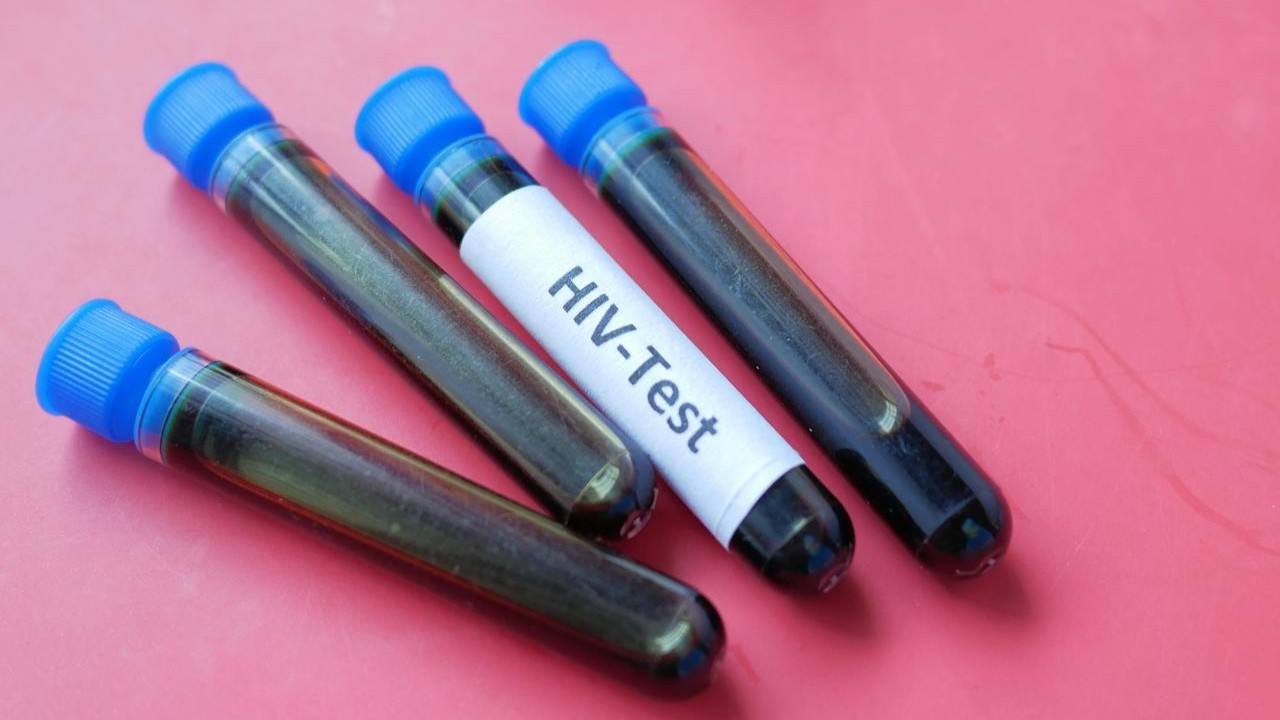
The CDC describes HIV transmission through oral sex as much less likely than through vaginal or anal sex. CDC: How HIV Spreads If HIV is the part that worries you most, Rapid HIV Test is the best follow-up article.
What noticeably raises the risk
- Blisters, sores, cracked skin, or visible irritation on the lips, mouth, or vulva
- Contact with blood, including period blood or blood from small injuries
- Inflamed gums, fresh mouth injuries, or brushing so aggressively that the gums are irritated
- New partners, unknown symptoms, or no clear conversations about testing
- The assumption that symptom-free automatically means safe
In practical terms, if something looks irritated, burns, bleeds, or simply seems off, pausing is usually smarter than rationalizing it away.
Protection that works in real life
Barrier methods can lower risk. Dental dams are an option for cunnilingus, even if they are used far less often than condoms in other situations. Protection here is not about perfection. It is about reducing risk in realistic ways.
- Dental dams or another suitable barrier with new or unclear partners
- Pausing when there are blisters, sores, burning, unusual discharge, or visible irritation
- HPV vaccination as an important prevention step
- Testing that matches the body sites actually involved
- Clear conversations instead of quiet assumptions
HPV vaccination is one of the most important prevention tools in this area. Public health guidance explains who it is recommended for and why it matters. CDC: HPV Vaccination
Testing after cunnilingus: What really matters?
A lot of people picture one standard STI test. In reality, testing only makes sense if it matches the actual contact. When cunnilingus is the relevant exposure, a throat swab may matter more than only doing a genital test.
That does not mean every single episode of oral sex needs testing. But if symptoms show up, if you have new or multiple partners, or if you want real clarity, tell the clinic or provider that oral sex was involved. Otherwise the right site may never get tested.
The CDC also notes that STI testing should match the sexual practices involved. CDC: Getting tested for STIs A sexual health clinic can also help if you are not sure which site should actually be swabbed.
Symptoms that deserve attention
Many infections do nothing at first. When symptoms do happen, they are often vague. Still, there are warning signs that should not just be ignored.
- Blisters, painful sores, or visible skin changes
- Strong throat pain after a relevant contact without a clear cold or flu explanation
- Unusual discharge, burning, or marked irritation in the genital area
- Pain when urinating or new pelvic symptoms
- Blood contact plus fresh mouth injuries
If you are mainly trying to understand vaginal changes, Discharge may help as a next step. It does not replace an exam when symptoms are getting stronger.
The most common mistake after oral sex
The biggest mistake is not poor hygiene. It is false reassurance. A lot of people think: I do not see anything, so nothing happened. That is how symptoms get minimized, conversations get delayed, and testing gets skipped.
A better approach is calm and realistic. If the risk was genuinely small, you can let yourself calm down. If the exposure was meaningfully relevant, testing is smarter than guessing.
Myths and facts about getting sick from oral sex
- Myth: Oral sex is automatically safe because there is no penetration. Fact: Several STIs can spread through close skin and mucosal contact alone.
- Myth: Only the giving partner is at risk. Fact: Transmission can affect either person.
- Myth: If there are no visible symptoms, everything is fine. Fact: Oral and extragenital infections can stay symptom-free.
- Myth: If HIV risk is low, nothing else matters. Fact: With cunnilingus, other infections are often more relevant than HIV.
- Myth: Mouthwash or brushing right before oral sex makes it safe. Fact: That does not replace protection and may backfire if the gums are irritated.
- Myth: HPV only matters for cervical cancer. Fact: HPV also matters in cancers of the mouth and throat.
- Myth: One negative test means permanent safety. Fact: Tests are snapshots, and timing plus exposure still matter.
Keep Reading



Conclusion
Cunnilingus is not automatically harmless, but it is also not a reason for blanket panic. If you are wondering whether oral sex can make you sick, herpes, HPV, gonorrhea, syphilis, and sometimes chlamydia usually matter more here than HIV. Taking warning signs seriously, using protection in practical ways, asking for the right testing sites, and not confusing symptom-free with risk-free will put you in a much better position.