
Quick overview
- Fresh samples should be transported as directly as possible without unnecessary stops.
- Keeping the cup close to your body helps avoid cold exposure and spot overheating.
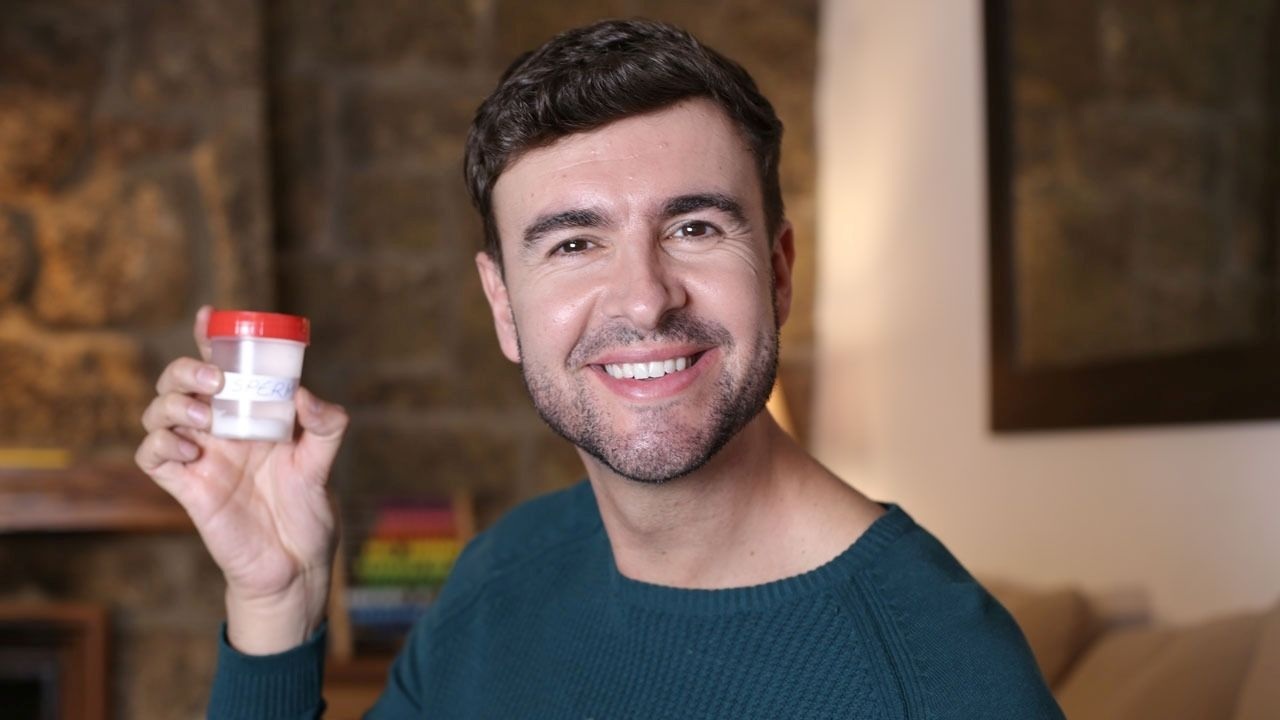
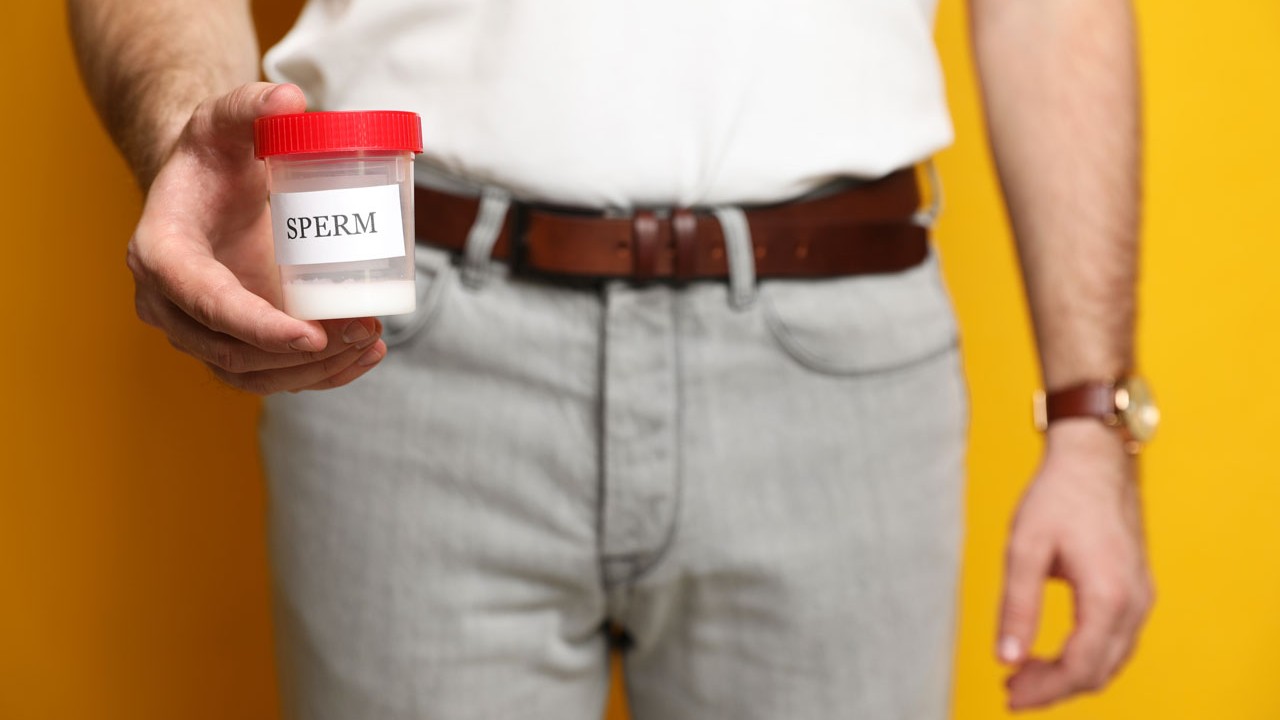
- A sterile specimen cup is the standard. Household containers, condoms, and improvised fixes are not a good idea.
- For long distances, fresh private transport is not the standard. That is where cryopreservation and licensed shipping come in.
Why transport matters at all
A semen sample is not an ordinary package. Temperature, time until processing, and the type of container all influence how reliable a lab assessment will be or how predictable home use is. The WHO laboratory manual therefore recommends timely processing and, when collection happens at home, keeping the trip short. WHO: Laboratory Manual for the Examination and Processing of Human Semen
A systematic review found no clear overall disadvantage for home collection compared with clinic collection in standard semen parameters or IVF outcomes. The evidence quality was low, though, so a clean transport chain still matters. Kerdtawee et al., Home versus clinic semen collection
What to prepare at home first
The biggest mistake often happens before transport even starts: the sample is ready, but the cup, secondary bag, or route is not. A calm sequence works better.
- a sterile cup with a tight lid, ideally supplied by the clinic or lab
- a clean outer bag as secondary packaging in case of leaks
- a direct route with no unnecessary errands
- a confirmed acceptance window and the collection time written down
If the sample is meant for home use, the process should be planned just as clearly. For equipment and practical setup, see home insemination kit.
How to transport the sample step by step
- Collect the full sample in a sterile cup and close the lid firmly right away.
- Write down the collection time because clinics and labs almost always ask for it.
- Place the cup in a clean bag and keep it upright.
- Carry it close to your body, for example in an inside jacket pocket, instead of leaving it exposed in a car or backpack.
- Go straight to drop-off or use and do not leave the sample sitting around on the way.
ESHRE lab standards and several clinic instructions emphasize the same basics: suitable container, short trip, no temperature extremes, and clear sample identification. ESHRE: Guidelines for good practice in IVF laboratories
Temperature: what carrying it close to your body really means
Keeping the sample close to your body does not mean actively warming it. It mainly means protecting it from cold, sunlight, heating vents, and abrupt temperature swings. Many labs put it in practical terms: keep it warm, but do not heat it. Patient guidance from UCLH and NHS labs gives good everyday examples. UCLH: Semen analysis information, NHS: Collecting and transporting a semen sample
- No ice pack, refrigerator, or freezer.
- No heating pad, microwave, or hot water bath.
- No direct sun on the dashboard or next to a heater.
- In winter, keep it under your clothing instead of in an outside pocket.
How much time is acceptable?
The exact rule always comes from the lab or fertility center. In practice, many facilities ask for delivery within about one hour, and some accept up to two hours. The WHO mentions home collection within one hour before analysis as an exception, and the home-collection meta-analysis showed that some studies did not find clear disadvantages even at 1.5 to 2 hours. That should not be treated as a free pass, though. The goal is still a short direct trip. Kerdtawee et al., Home versus clinic semen collection
In practical terms:
- Semen analysis or diagnostic testing: usually as quickly as possible, often within 30 to 60 minutes.
- Post-vasectomy check: also as quickly as possible, because motility assessment is especially time-sensitive.
- Fresh sample for home use: only reasonable if the process is direct and there is no long delay in between.
Which containers are suitable and which are not
A sterile specimen cup is the standard because the material, cleanliness, and lid are made for this purpose. Improvised containers can contaminate the sample or leak.
- Suitable: sterile cups from a clinic, lab, or appropriate medical supplier.
- Not suitable: drinking cups, coffee cups, jam jars, or other household containers.
- Not suitable: many condoms and many lubricants, because they can affect the sample.
If you want more context on home collection materials, cup method is also useful.
What matters when transporting it by car, train, or bike
The mode of transportation alone is not the deciding factor. Heat, cold, shaking, and delays matter more. A short calm car ride can be completely fine. Trouble starts when the sample gets cold in a backpack in winter or overheats in a parked car in summer.
- Car: no seat heater, no storage in the trunk, and no dashboard placement.
- Train and bus: carry the sample upright and close to your body.
- Bike: only for short trips and ideally without strong vibration.
- Walking: often the simplest option if the distance is short.
Common first-time mistakes
- Collecting the sample first and only then figuring out how to transport it.
- Throwing the cup loosely into a backpack.
- Actively heating or cooling it instead of simply avoiding extremes.
- Forgetting the time and giving the lab only a rough guess.
- Replacing single-use medical supplies with improvised alternatives.
If your process still feels experimental, that is the point: do not add more tricks, make the chain simpler.
If something goes wrong on the way
Not every problem means the sample is automatically unusable. What matters is staying calm and telling the lab or receiving clinic honestly what happened instead of improvising.
- The lid feels damp on the outside or the bag is damaged: clean the outside, keep the sample upright, and ask right away whether drop-off still makes sense.
- Major delay because of traffic or transit disruption: do not guess, call and confirm the real time window.
- The sample sat in sun, cold, or by a heater: say so openly so the lab can interpret the result more cautiously.
- You are not sure the entire sample was collected: mention that too, because the volume could otherwise be misread.
For a semen analysis, good documentation is often more useful than hectic improvisation.
The 30-second checklist before leaving
- Lid closed tightly?
- Collection time written down?
- Cup inside a leak-safe bag?
- Direct route clear?
- Receiving site open and expecting you?
If those five points are clear, the transport is usually organized well enough. More accessories do not automatically make the process better.
Fresh private transport is not the same as cryoshipping
For longer distances or international transport, fresh transport is not a clean standard solution. At that point it becomes a question of cryopreserved samples, dry shippers, and licensed facilities. Regulators such as the HFEA describe clear clinic and import procedures for that. HFEA: Importing and exporting sperm, eggs and embryos
For private individuals, the key point is simple: what works for short at-home collection and same-day use does not translate to parcel shipping, flights, or cross-border transport.

Myths and facts about semen transport
- Myth: The warmer the better. Fact: The sample should be protected from extremes, not actively heated.
- Myth: An ice pack keeps the sample fresh. Fact: Too much cold can worsen motility and interpretation.
- Myth: Any clean household cup is good enough. Fact: A sterile medical cup is the standard for collection and analysis.
- Myth: A two-hour trip is always fine. Fact: Some facilities allow it, many want a much shorter interval. The lab's rules decide.
- Myth: Fresh private transport is the same as professional cryoshipping. Fact: These are two very different logistics chains with different rules.
Read next
Bottom line
Good semen transport is uneventful: sterile cup, short direct route, carry it close to your body, and avoid temperature tricks. Once distance, timing, or legal constraints become more complex, the answer is not more improvisation but a professional cryostorage and shipping route through licensed providers.